

Learning to enjoy tasty recipes is one of life's most rewarding skills. It transforms the daily necessity of eating into a creative, satisfying, and deeply personal experience. In today's fast-paced world, the simple act of preparing a delicious meal becomes a sanctuary—a moment to slow down, engage your senses, and create something truly nourishing for yourself and your loved ones.
This comprehensive guide will take you beyond just following instructions. We'll explore the science of flavor, the psychology of cooking satisfaction, and practical strategies that will help you consistently create meals that delight your palate and enrich your lifestyle. Whether you're cooking for one or feeding a family, these principles will elevate your culinary journey.

Mastering simple techniques like pan-frying can yield restaurant-quality results at home.
The Transformative Power of Cooking Delicious Meals
The journey to enjoy tasty recipes offers benefits that extend far beyond the dinner plate. When you develop cooking skills, you're investing in multiple aspects of your wellbeing.
Physical Health & Nutritional Control
Home cooking gives you complete authority over what goes into your body. You control portion sizes, sodium levels, fat content, and ingredient quality. Research consistently shows that people who cook at home consume fewer calories, less sugar, and more vegetables than those who rely on restaurants or processed foods. By preparing your meals, you're actively participating in preventive healthcare.
Pro Insight: When you cook at home, you naturally increase your vegetable intake by 50% compared to eating out. This simple shift can dramatically impact your energy levels, digestion, and long-term health outcomes.
Mental Wellbeing & Mindfulness
The kitchen can become your personal mindfulness studio. The rhythmic chopping of vegetables, the focused attention on timing, and the sensory engagement with colors, textures, and aromas create a natural meditation practice. This "flow state" in cooking has been shown to reduce stress, alleviate anxiety symptoms, and provide a genuine sense of accomplishment that digital activities rarely offer.
Essential Techniques for Flavorful Results
Great cooking isn't about complicated recipes—it's about mastering fundamental techniques that apply across countless dishes. These core skills form the foundation of all tasty recipes.
The Maillard Reaction: Your Secret Weapon
That beautiful brown crust on seared meat, roasted vegetables, or toasted bread? That's the Maillard reaction—a chemical process that creates hundreds of flavor compounds. To maximize this reaction: ensure your food is dry before cooking, don't overcrowd the pan, and be patient enough to let proper browning occur. This one technique alone can elevate your cooking by 50%.
Layering Flavors Like a Pro
Professional chefs build flavor in stages. Start with aromatics (onions, garlic, ginger) cooked slowly in fat. Add your main ingredients, then deglaze the pan with wine, broth, or vinegar to capture all the caramelized bits. Finish with fresh herbs, a squeeze of citrus, or a drizzle of quality oil. This chronological approach creates depth that single-step cooking cannot achieve.
Quick Tip: Always taste your food at every stage of cooking. This helps you understand how flavors develop and allows you to make adjustments before the dish is complete.
Building Your Flavor Pantry: Essential Ingredients
A well-stocked pantry is the cornerstone of being able to enjoy tasty recipes on demand. With these basics, you can transform simple ingredients into extraordinary meals.
Umami Boosters
Anchovies, soy sauce, mushrooms, tomato paste, Parmesan rind. These ingredients add savory depth to any dish.
Acidity Elements
Various vinegars, citrus juices, white wine, buttermilk. Acidity brightens flavors and balances richness.
Aromatic Foundations
Onions, garlic, shallots, leeks, celery, carrots. These form the flavor base of countless global cuisines.
Fresh Finishes
Herbs, citrus zest, quality olive oil, flaky sea salt. These add vibrancy and texture at the end.
Advanced Strategies for Consistent Success
Moving from good to great cooking requires adopting professional mindsets and practices that guarantee delicious results every time.
The Misconception About Recipes
Recipes are guidelines, not commandments. Learn to view them as frameworks for understanding ratios and techniques rather than rigid instructions. As you gain experience, you'll start to recognize patterns and make intelligent substitutions based on what's seasonal, affordable, or already in your pantry.
Seasonal Intelligence
The single greatest upgrade to your cooking costs nothing extra: cook seasonally. A tomato in August tastes fundamentally different (and better) than one in February. Seasonal produce is at its flavor peak, more nutritious, and often more affordable. Learn the seasonal rhythms of your region and let them guide your meal planning.
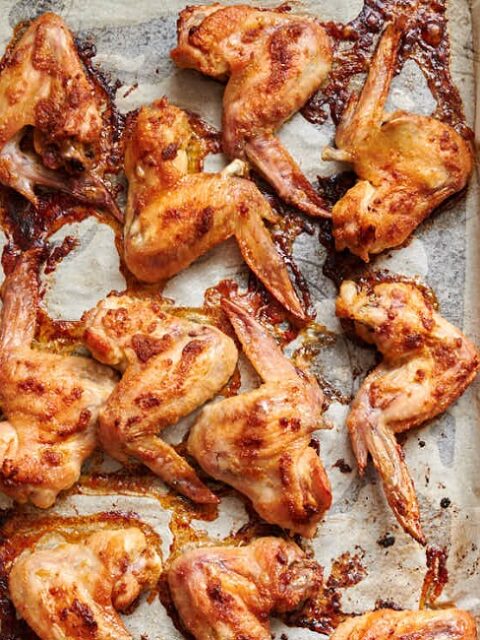
Understanding cooking science helps achieve perfect texture and flavor balance in every dish.
The Joy of Continuous Culinary Discovery
The journey to truly enjoy tasty recipes is ongoing and endlessly rewarding. Each meal is an opportunity to practice, learn, and delight in the creative process. Remember that even professional chefs have kitchen failures—what separates them is their willingness to learn from each experience.
Start small. Master one new technique each month. Build your confidence with three or four "signature dishes" you can make without thinking. Share your creations with others—food tastes better when enjoyed in good company. Visit your local farmers market for inspiration. Read about food science to understand the "why" behind techniques. Most importantly, cultivate patience with yourself. Culinary mastery is built one meal at a time.
Your kitchen is more than just a room—it's a laboratory, an artist's studio, a meditation space, and a place of connection. By embracing the process of creating delicious food, you're not just feeding your body; you're nourishing your mind, strengthening relationships, and building a skill that will enrich your life for years to come. The path to culinary joy begins with a single recipe, a fresh ingredient, and the willingness to try.